
About Mohibullah Kakar
Welcome to MohibullahKakar.com — the official website of Mohibullah Kakar, Member of the National Assembly (MNA) from NA-266. This digital platform is dedicated to transparency, public service, and effective communication between the people and their elected representative.
MNA Mohibullah Kakar is a passionate and dynamic public representative who believes in inclusive development, equal opportunities, and sustainable progress. With a vision to uplift communities, his mission focuses on strengthening education, healthcare, infrastructure, youth empowerment, and economic growth. Guided by integrity and people-first leadership, Mohibullah Kakar continues to work tirelessly to address the needs and concerns of the citizens at the national level.
NA-266 covers key urban and rural areas of Quetta District. The constituency is home to diverse communities who contribute to the socio-economic progress of Balochistan and Pakistan. With unique challenges and opportunities, NA-266 requires strong leadership, active engagement, and long-term planning—values that Mohibullah Kakar brings to every initiative.
Key Features of NA-266
- A blend of urban centers and growing rural communities
Rich cultural and tribal diversity
Strategic importance in provincial development
Young and energetic population
Strong potential for agriculture, small businesses, and education reforms
Awami National Party (ANP) - Detailed History
The Awami National Party (ANP) stands as one of Pakistan’s oldest and most principled political movements, tracing its roots to anti-colonial resistance and the non-violent Pashtun nationalist ideology introduced by Bacha Khan (Khan Abdul Ghaffar Khan). The party’s history spans nearly a century of political struggle, beginning long before Pakistan’s creation.
1. Pre-ANP Roots: The Khudai Khidmatgar Movement (1929–1947)
The origins of ANP lie in the Khudai Khidmatgar Movement, founded by Bacha Khan in 1929. This movement:
Mobilized Pashtuns in a peaceful struggle against British colonial rule
Focused on education, reform, and empowerment of Pashtun society
Established a disciplined volunteer force wearing red shirts, earning them the name “Red Shirts”
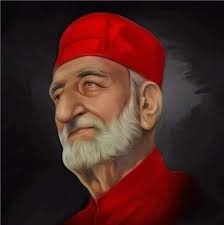
The Khudai Khidmatgars became one of the largest non-violent movements in South Asia and aligned closely with Gandhi’s Congress Party for India’s freedom.
Bacha Khan’s ideology emphasized:
Non-violence
Equality
Social justice
Political awareness
Unity among Pashtuns
This philosophy later became the backbone of ANP.
2. Post-Partition Struggle (1947–1970s)
After the creation of Pakistan in 1947, Bacha Khan and his followers faced severe political suppression due to their alignment with the Indian National Congress.
Key developments:
Khudai Khidmatgar was banned
Pashtun nationalist leaders were repeatedly jailed
Their demand for provincial autonomy was often seen as dissent
Despite this, Pashtun nationalist politics continued under different banners.
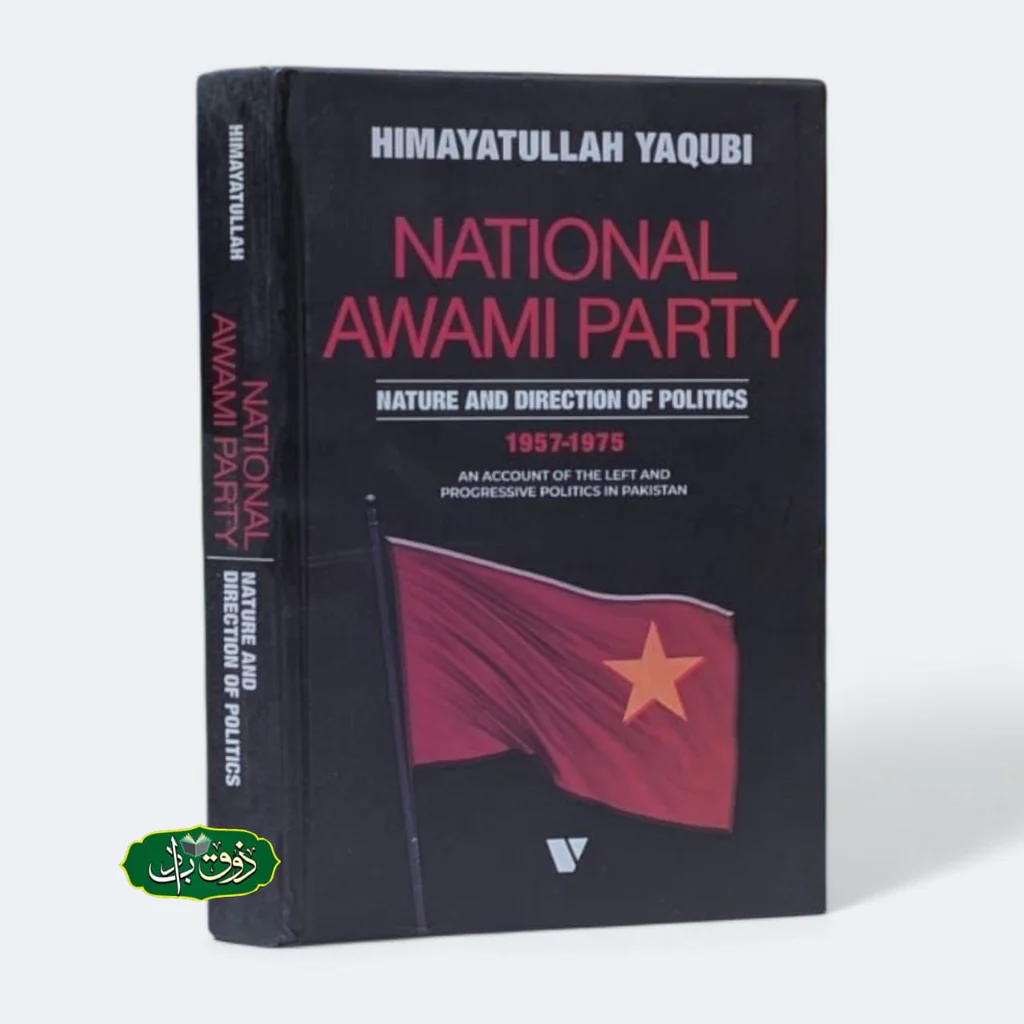
3. National Awami Party (NAP) Era (1957–1975)
The National Awami Party (NAP) became the first major leftist and nationalist force in Pakistan. It included leaders like:
Khan Abdul Wali Khan
Bizenjo, Mengal, Mir Ghous Bakhsh
Maulana Bhashani
NAP advocated:
Parliamentary democracy
Provincial autonomy
Secularism
Workers’ and farmers’ rights
NAP formed provincial governments in:
Khyber Pakhtunkhwa (then NWFP)
Balochistan
1973–1975: Banning & Repression
NAP’s governments were dismissed by the Bhutto government. Many leaders were imprisoned on charges later proven false. This period further solidified the Pashtun leadership’s struggle for rights within Pakistan’s federation.
4. Rise of the National Democratic Party (NDP) (1979–1986)
After NAP’s ban, its leaders reorganized as the National Democratic Party (NDP) under Wali Khan and others. The NDP:
Opposed General Zia-ul-Haq’s dictatorship
Participated in the Movement for the Restoration of Democracy (MRD)
Advocated for civilian rule and political freedoms
It became a major voice against military rule and extremism.
5. Formation of Awami National Party (1986)
In 1986, several nationalist, progressive, and socialist factions merged to form the Awami National Party (ANP).
The merger included:
National Democratic Party
Mazdoor Kisan Party
Pakhtunkhwa National Party
The new party absorbed the legacy of Bacha Khan and Wali Khan, with Asfandyar Wali Khan emerging as a major leader.
ANP positioned itself as:
A democratic, secular, and progressive party
A defender of provincial rights
A representative of Pashtun identity and culture
A national-level party advocating non-violence
6. Political Role in the 1990s
Throughout the 1990s, ANP formed alliances with both major federal parties depending on political conditions.
Key Highlights:
Coalition with PPP in Khyber Pakhtunkhwa
Later, alliance with PML-N for provincial governance
Advocacy for renaming NWFP to Khyber Pakhtunkhwa
Struggle against rising extremism in the region
During this decade, ANP leaders continued their stance on peace, provincial autonomy, and democracy despite political instability.
7. War on Terror Era (2001–2010): ANP’s Courageous Role
After 2001, Khyber Pakhtunkhwa became deeply affected by terrorism. ANP:
Strongly opposed Taliban militancy
Promoted peace, negotiation, and non-violence
Became the main political target of extremist groups
Hundreds of ANP workers and leaders were killed in attacks. Despite this, ANP refused to compromise on its principles.
8. ANP Government (2008–2013): A Historic Period
In 2008 elections, ANP formed the government in Khyber Pakhtunkhwa in coalition with PPP.
Major Achievements:
18th Constitutional Amendment
Restored true parliamentary democracy
Reduced presidential powers
Gave provinces financial and administrative autonomy
Renamed NWFP to Khyber Pakhtunkhwa, fulfilling a 60-year demand
Social Programs
Strengthened health and education sectors
Launched large-scale infrastructure development
Advocated women empowerment and minority rights
9. Post-2013 Era: Rebuilding & Youth Engagement
After losing the 2013 election due to security challenges and political shifts, ANP focused on reorganization. Key developments:
Reviving student organizations like PSF and ANP Youth
Strengthening presence in Balochistan and Karachi
Promoting constitutional rights, peace, and economic justice
Leadership transitioned to younger figures like Aimal Wali Khan
10. ANP Today
Today, the Awami National Party continues to:
Uphold Bacha Khan’s philosophy of peace and non-violence
Fight for democratic governance and provincial autonomy
Represent Pashtun cultural and political identity
Stand firmly against extremism
Advocate social justice, women’s rights, and equal opportunities
ANP remains a strong voice for progressive politics in Pakistan and a guardian of the values of tolerance, equality, and constitutional supremacy.
Stay Connected
For media inquiries, interview requests, press verifications, or event coverage:
Email: info@mohibullahkakar.com
Phone: +923444603444
Office Address: Qila Abdullah, NA-266, Balochistan
Our media team is available to assist journalists and partners with reliable and timely information.